

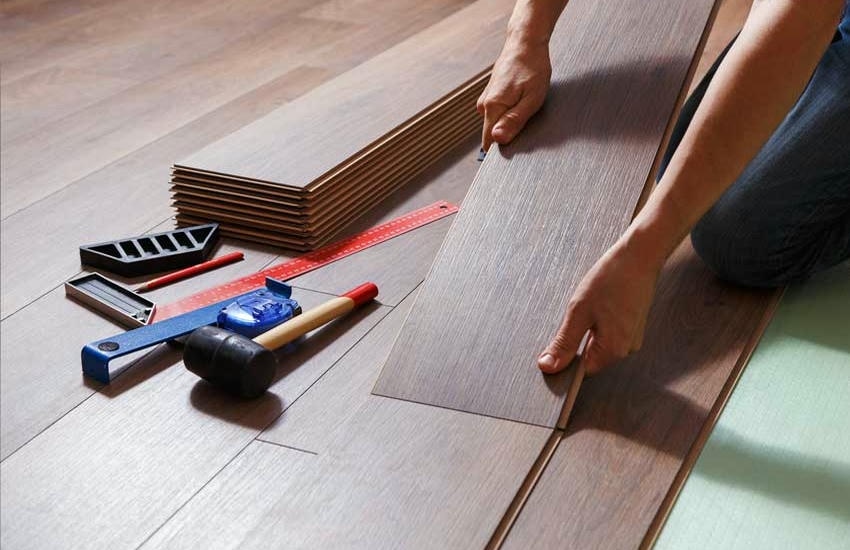
In addition to being a durable, reliable, and premium flooring solution, SPC flooring is also easy to install. DIYers love installing SPC vinyl plank flooring by themselves in their residential spaces. Now that homeowners have become aware of the benefits of SPC, more and more people are looking to install this modern flooring in their Dubai homes. Sure, SPC offers incredible benefits, but faulty installation can minimize their potential. Which is why it is important to make sure that your DIY SPC flooring installation is free of any mistakes.
Dos And Don’ts Of Installing SPC Flooring In Dubai

Here’s a list of what to do and what not to do during SPC installation. Follow these steps for best results in your space, be it commercial or residential.
SPC Flooring Installation Dos
Check For Moisture
Before you begin the installation of SPC, do a patch test. Use a piece of tape to check for moisture on the subfloor and leave it for three days. Then, pull up the tape from the floor, and if it comes off easily, it means the subfloor has too much moisture. Too much moisture on the subfloor means it is not suitable for professional installation. This step is critical for concrete subfloors. Otherwise, SPC can experience moisture damage from the underside. Besides that, installation will also be unsafe with a risk of buckling.
Acclimate Floor
Let the SPC planks sit in the room where you want to install them. Doing so will help them acclimate to the temperature and atmosphere of the room. SPC flooring needs time to adjust to the room so it can get used to the temperature and reach the optimal humidity level. It also prevents the planks from contracting and expanding. Some manufacturers recommend letting the SPC planks acclimate for 48 hours. But, check your SPC instruction manual to be sure.
Subfloor Preparation

After you have let the SPC flooring adjust to the climate of your room, it’s time for subfloor preparation. Subfloor preparation is significant to ensure the performance and durability of the SPC floor. Failure to do so will result in uneven and faulty installation. The lack of subfloor preparation can also cause SPC floors to wear out prematurely or experience damage from the underside. So, make sure that your subfloor is clean, smooth, dry, and flat. You should also check for subfloor level to detect lumps and dips. These things are not usually noticeable with the naked eye. Fixing these issues will ensure the best results of luxury vinyl flooring.
Leave Expansion Gap
SPC flooring planks with click-lock installation methods need an expansion gap during installation. You can use spacers to shims to leave a gap of 3-8mm or ¼ to ½ inch along the walls of the room. When the floor expands or contracts, this gap will allow the planks to adjust without buckling or warping. Dubai experiences extreme temperatures, leaving expansion gaps is critical for the floor’s stability.
Read the Manufacturer’s Guide
Always read the manufacturer’s guide that comes with your SPC flooring. The user manual has all the necessary instructions about the installation and maintenance of the flooring. Reading the manual helps in avoiding mistakes & ensuring a seamless installation of the floor.
SPC Flooring Installation Don’ts

Don’t Overlook The Floor Height Difference
Whether you have taken out the old flooring, like hardwood flooring or tile, it will leave a gap on your door’s threshold. Most of the flooring options are thicker than SPC flooring planks, so make sure that you install the floor based on that height difference.
Don’t Hammer Planks
Never, ever, ever hammer the SPC planks because the only thing it will do is damage your floor. If you want to make sure that your SPC planks are adequately close to each other, use a pull bar instead. You can hammer that pull bar to accomplish the same task without damaging your SPC floor.
Don’t Forget Underlayment
A lot of SPC floors feature pre-attached underlays, which serve various purposes. But, many vinyl plank floorings require a separate underlay on the subfloor before installation. Underlayment will not only work as a protective barrier for the subfloor and SPC floor but also provide extra cushioning.
Moreover, underlays also provide improved insulation and sound absorption. Underlays are a must-have for high-traffic areas to ensure floor stability and prevent premature wear and tear. Adding an underlay will enhance the performance of the SPC floor and provide improved comfort underfoot.
Don’t Overlook Maintenance

Even though SPC is a low-maintenance solution, it doesn’t mean that you can be careless about it. It is important to make sure that the cleaning products you use do not harm the SPC flooring. Harsh chemicals can dull the appearance and cause abrasions on the surface of the planks. It is recommended that you carefully read the maintenance guidelines of the SPC flooring to ensure its upkeep. Ammonia-based cleaning products are a big no. They can strip the flooring of its wear layers and dyes and causing its appearance to dull prematurely.
Don’t Rush
It may not seem like a big deal, but it is best if you take your time while installing SPC flooring. Rushing through the installation process or taking shortcuts may look easy, but it will have consequences in the long run. Not only will it look like a poorly installed floor, but it will also compromise the performance. It is crucial to be patient during the installation of SPC flooring and pay attention to every tiny detail. Make sure that you go through the proper installation with care to get the best possible results.
SPC Flooring Installation Essentials

It is best to be prepared and have all the essential gear with you to ensure a smooth installation. SPC flooring installation will take time, so come prepared.
Measurement Tools
Round up your measurement tools, including a tape, pencil, chalk, or a marker. These things will help you take correct measurements and mark the planks according to their order. Marking them will help you in identifying which plank goes where during the installation.
Safety Gear
Safety is important. Make sure that you have knee pads to keep your knees comfortable because you will be working while on your knees. You should also wear work gloves to protect your hands and keep the sweat from transferring to the planks.
Preparation Tools
Before installation, you will need to prepare the surface, and you will need a crowbar for that. Make sure that you also have a vacuum to clean the floor.
Installation Tools

Now, for the real thing, you will need installation essentials like a floor cutter, a knife, and a pull bar. Don’t forget the spacers because you will need those to leave consistent expansion gaps.
In Conclusion
SPC vinyl flooring can be a long-term investment if done right. If you have any previous experience with floor installation, you can do it yourself. Otherwise, it is recommended that you hire a professional for the job. If the installation isn’t done properly, it will prevent you from enjoying the benefits of SPC flooring to the full extent. Post-installation routine is just as important, and make sure that you let the floor rest for 48 hours. The room should have a regulated temperature so that the flooring can stabilize for maximum durability.
Do you want to hire a professional SPC flooring installation team in the UAE? Reach out to us, and we’ll take care of it.
Frequently Asked Questions
1. How much expansion gap should I leave for SPC flooring?
The standard expansion gap recommended for SPC flooring is 8mm. This gap should be left along the walls of the room where you are installing the SPC floor. However, it is better to read the manufacturer’s guide for the recommended expansion gap in your area. Expansion gaps can vary based on the temperature fluctuations of each location.
Areas with underfloor heating need an expansion gap of 10mm between the walls and the fixed objects in the room.
For larger commercial spaces with a length or width of more than 8 meters, make sure to leave an expansion joint of 10-20mm.
2. How do I protect SPC flooring after installation?
Regular upkeep and cleaning of the floors with the right products can help prolong the longevity of the floor. If your floor doesn’t have a UV layer, make sure that you protect the floor from UV exposure as well. Constant UV exposure can cause discoloration of the floor. For heavy furniture and other heavy objects in the room, use furniture pads or rugs to prevent their direct contact with the floor. It will also help in preventing scratches and slips of furniture.
3. Do I need to polish SPC flooring after some time?
No, SPC flooring doesn’t need any wax or polish to maintain its shine. Regular cleaning can keep the floor in good shape because dust and dirt can dull the appearance of the SPC floor. Occasional deep cleaning can also help in restoring the shine of the SPC.
4. Which cleaning products are recommended for SPC flooring?
For the maintenance and upkeep of SPC flooring, use mild cleansers. Products that are pH-balanced and ammonia-free are good for all types of flooring. You can also use soapy water and a mop for the cleaning of your SPC floor. Never use abrasive cleaners and steam mops because they will do more harm than good. Using a microfiber mop will make sure that your floor doesn’t get scratches and scrapes.
Leave A Comment